
Tuberculosis
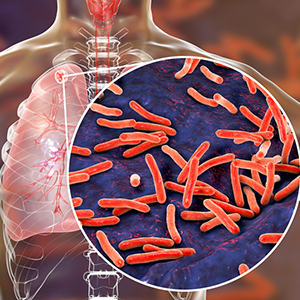
Tuberculosis is an infectious disease that can lead to infection in your lungs or other tissues. It commonly influences your lungs, but it can too influence other organs like your spine, brain or kidneys.
What are the signs and symptoms of tuberculosis?
People with inactive TB don't show symptoms. In any case, they may have a positive skin reaction test or blood test.
Those with active TB can show any of the following symptoms:
- Bad cough.
- Pain in your chest.
- Coughing up blood or sputum (mucus).
- Weakness.
- Loss of appetite
- Chills.
- Fever.
- Night sweats.
With early detection and antibiotics, TB is treatable. The right type of antibiotic and length of treatment will depend on:
- the person’s age and overall health
- whether they have latent or active TB
- the area of the infection
- whether the strain of TB is drug resistant
Treatment for latent TB can vary. It may include somebody taking an anti-biotic once a week for 12 weeks or each day for 9 months.
Treatment for active TB may include taking a few drugs for 6–9 months. When an individual includes a drug-resistant strain of TB, the treatment will be more complex.
It is important for individuals to complete the whole course of treatment, even when symptoms go away. If an individual stops taking their medicine early, a few bacteria can survive and gotten to be resistant to antibiotics. In this case, the individual may go on to develop drug-resistant TB.