
rigid Bronchoscopy
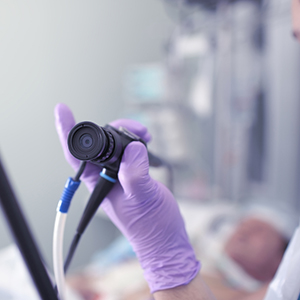
Rigid bronchoscopy is a medical procedure that is used to examine and treat the airways and lungs with the help of a straight, rigid metal tube called a bronchoscope. Typically, it is performed under general anaesthesia and the technique allows doctors to have a direct visualization of the tracheobronchial tree, enabling interventions such as foreign body removal, biopsies, and laser therapy. Rigid bronchoscopy is particularly effective for managing complex airway obstructions, tumours, and other conditions requiring precise intervention in the respiratory system. It can be used to control bleeding, remove foreign objects, remove diseased tissue, etc.
When is Rigid Bronchoscopy needed?
A rigid bronchoscopy may be used by the doctors to diagnose the following:
- Airway Obstruction : Rigid bronchoscopy is crucial for addressing severe airway blockages caused by tumours, foreign bodies, or excessive mucus.
- Foreign Body Removal : It is employed to extract inhaled objects or substances causing respiratory distress.
- Tumour Resection : Rigid bronchoscopy allows direct visualization and precise removal of tumours or abnormal growths within the airways.
- Haemorrhage Control : In cases of severe bleeding in the airways, rigid bronchoscopy facilitates visualization and intervention to control bleeding.
- Stent Placement : It is utilized for the insertion of stents to support and maintain airway patency, particularly in the presence of strictures or collapsing airways.
As compared to a flexible bronchoscopy, rigid bronchoscopy is a little risky and patients may suffer some minor after effects like bleeding, infection, irritation, High BP, etc. Consult the doctor to know in details about this procedure.