
Interstitial Lung Diseases
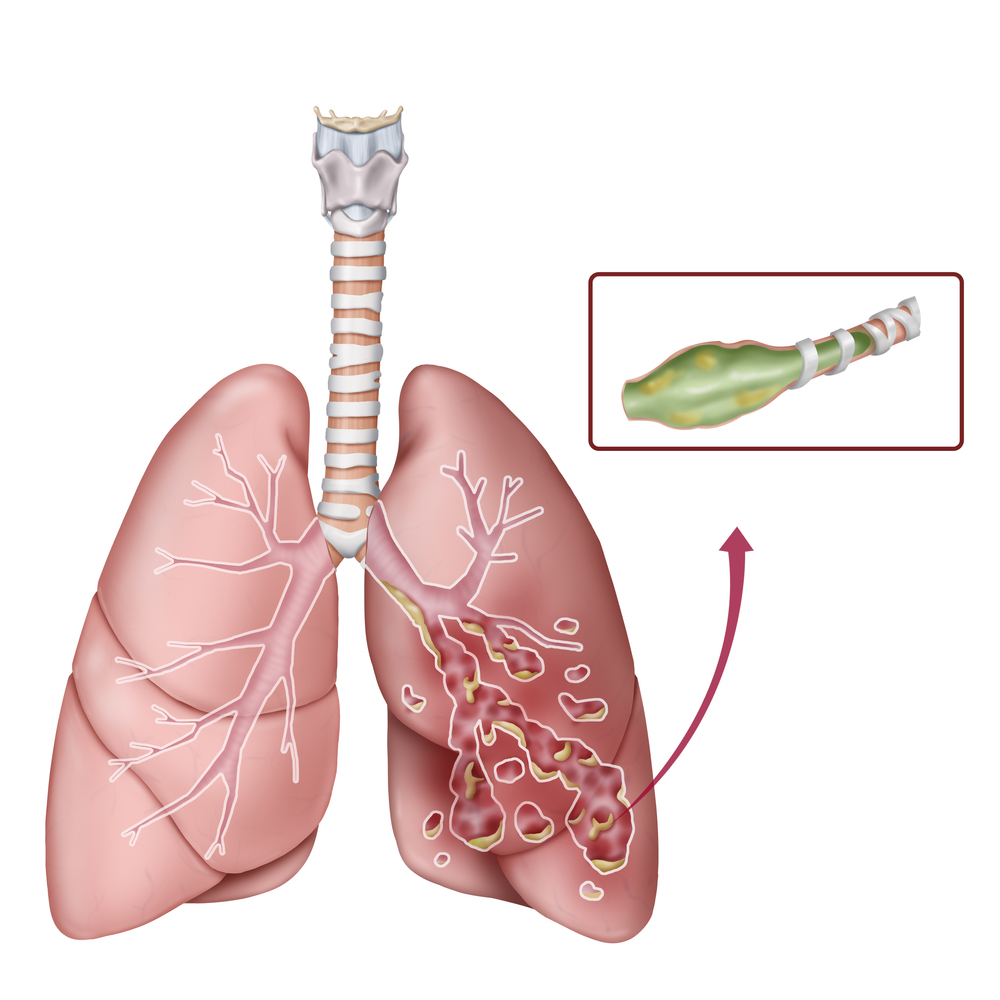
Interstitial lung diseases describes a large group of disorders, most of which leads to progressive scarring of lung tissue. The scarring related with interstitial lung disease inevitably influences your ability to breathe and get sufficient oxygen into your bloodstream.
Symptoms
The signs and symptoms of interstitial lung disease are:
- Shortness of breath at rest or irritated by exertion
- Dry cough
How is interstitial lung disease treated?
There’s no remedy for interstitial lung disease. Treatment for ILD usually emphases on treating underlying disease and enhancing your symptoms. Your doctor might prescribe physical treatment, supplemental oxygen or medicine to minimise the inflammation or slow down the disease.
What medicines and treatments are utilized in interstitial lung disease?
- Corticosteroids : Drugs like prednisone can assist to decrease inflammation.
- Anti-fibrotic and cytotoxic drugs : These medications can decrease lung scarring. They include azathioprine, cyclophosphamide, pirfenidone and nintedanib.
- Biologic drugs : Medicines like rituximab are in some cases utilized to treat autoimmune diseases and other causes of ILD.
- Treatment for GERD : Gastroesophageal reflux disease (GERD) can make ILD worse, so your doctor may prescribe medications to keep stomach acid down.
- Pulmonary rehabilitation : Breathing exercises and physical treatment can make your lungs strong and breathing easier.
- Oxygen therapy : Your doctor will prescribe extra oxygen if you don’t have enough getting to your blood or tissues. It is delivered through a mask or tube in your nose.
- Lung transplant : A few individuals with severe cases of ILD get a lung transplant.
When to see your doctor?
See your doctor in case you’ve had increasing shortness of breath, shortness of breath with exercise or an ongoing dry cough. The outlook for interstitial lung disease is best if treated as soon as possible.