
Sleep Apnea
Sleep apnea is a common condition in which your breathing stops and restarts numerous times while you sleep. This may prevent your body from getting sufficient oxygen.
The most common signs and side effects are:
- Snoring
- Weakness or sleepiness during the day
- Restlessness while sleeping, or night-time awakenings
- Dry mouth or sore throat after you wake up
- Waking up abruptly after wheezing or choking
- Trouble in concentrating, forgetfulness, or crankiness
- Anxiety or depression
- Constant urge to urinate at night
- Night sweats
- Sexual dysfunction
- Headaches
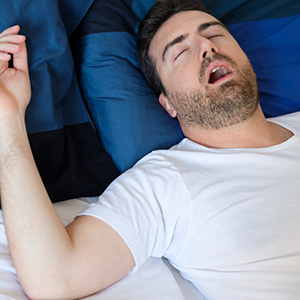
Treatment aims to normalize breathing during sleep and address any health issues. The alternatives will depend on the cause and severity of symptoms.
Lifestyle changes
Lifestyle alterations are important in normalizing breathing and are first steps in treatment. They include:
- following after a heart-healthy diet
- developing a healthy sleeping habits
- limiting alcohol consumption
- stopping smoking
- managing weight
- sleeping on the side
Other options
Continuous positive airway pressure (CPAP) therapy
This is the most treatment for sleep apnea. It keeps the airway open by gently giving a constant stream of positive pressure air through a mask.
Surgery
Various surgical methods can widen the airway in individuals with OSA. Surgery can stiffen or shrink obstructing tissue, or eliminate excess tissue or enlarged tonsils.
Mandibular repositioning device (MRD)
This is a custom-made oral apparatus that is suitable for people with mild or moderate OSA.