
Lung Cancer
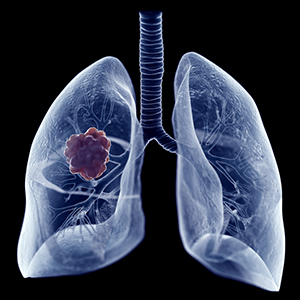
Lung cancer happens when cells within the lungs divide uncontrollably that causes tumors to grow. Tumors can minimise a person’s ability to breathe, and they can spread to other parts of the body.
For those who experience symptoms, it may only be one or some of these:
- A cough that doesn’t stop or gets worse over time.
- Difficulty in breathing or shortness of breath (dyspnea).
- Chest pain or discomfort
- Coughing up blood.
- Wheezing.
- Hoarseness
- Loss of appetite.
- Unexplained weight loss
- Fatigue
- Shoulder pain
- Swelling in the face, neck arms or upper chest
- Drooping eyelid
Treatment
Doctors can treat lung cancer in several ways. The type of treatment depends upon several factors that includes the type of cancer, its stage, your general health and the goal of treatment. The foremost suitable treatment will moreover depend on whether the cancer started in your lung or spread from another part of your body (metastasis). In the case of a metastasis to the lung, the treatment is ordinarily chosen based on the area of the primary cancer.
Types of cancer treatments can include:
- surgery, to cut out the cancer — this incorporates a lobectomy where one lobe of a lung is eliminated, a pneumonectomy, where one entire lung is removed, or a wedge resection where only part of a lung is removed
- radiotherapy, which damages cancer cells and stops them separating or spreading
- chemotherapy, which employs strong medicines to kill cancer cells
- targeted therapy, which employs medication that attacks particular features of a cancer — for example, certain hereditary mutations
- Immunotherapy, which aids your immune system to see cancer cells and kill them.